
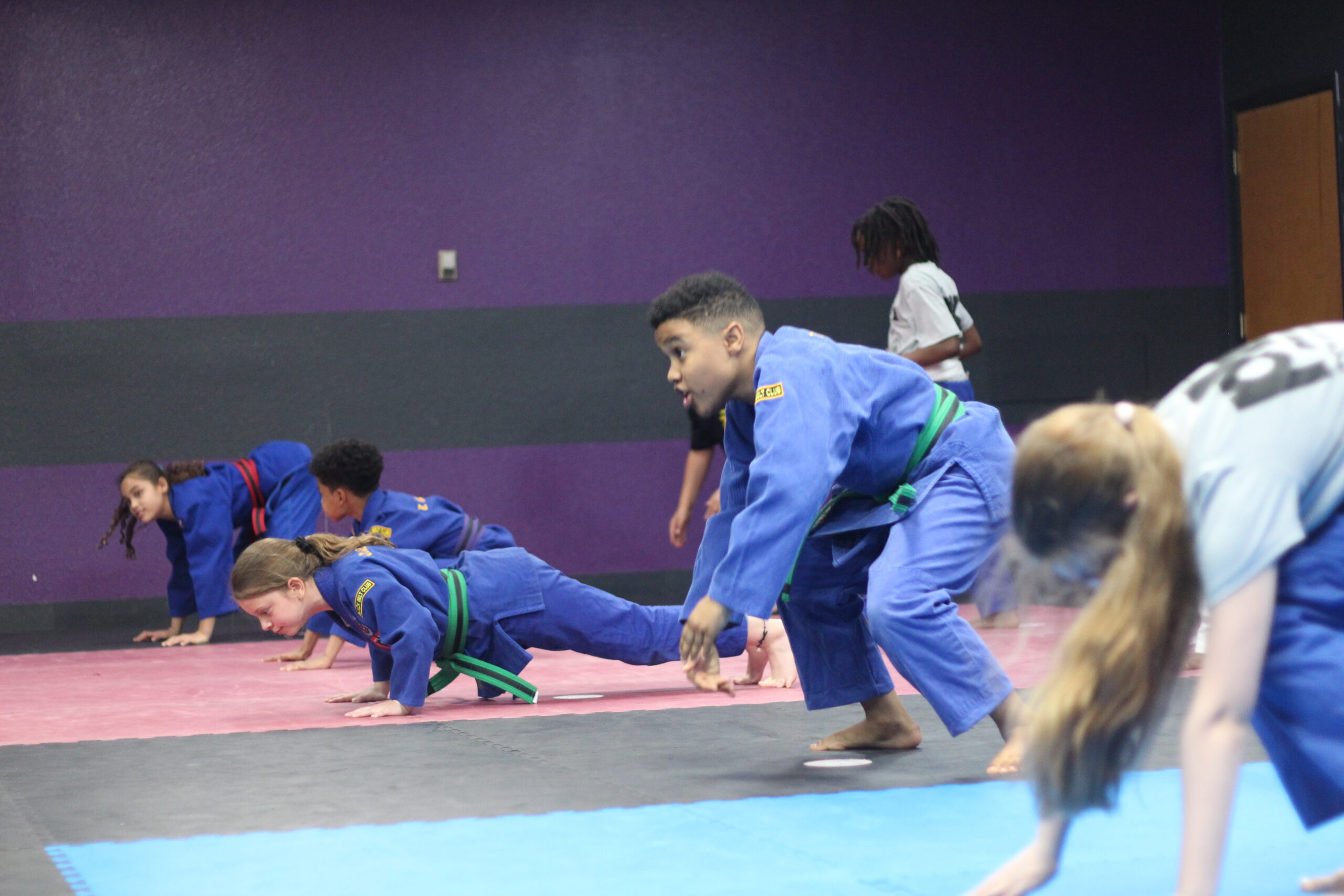
Learning to handle feedback is a skill children use almost every day. A teacher marks an assignment, a coach corrects a play, a parent reminds them about a chore, or a friend points out a problem. Those moments can feel embarrassing or frustrating, especially when a child hears correction as criticism instead of help.
At our family-owned school, we teach children that feedback is not about being perfect. It is about listening, making an adjustment, and trying again. We serve families in Boerne, San Antonio, Castroville, and Helotes through Ju Ki Do, a karate style inspired by a variety of traditional systems. Along with practical self-defense skills and fitness, our training centers on self discipline and character development, including the ability to respond calmly when someone offers guidance. Fall is an especially useful time to build these habits as students settle into school routines, progress reports, homework, and new expectations from teachers and coaches.
Ju Ki Do Turns Corrections Into Clear Next Steps
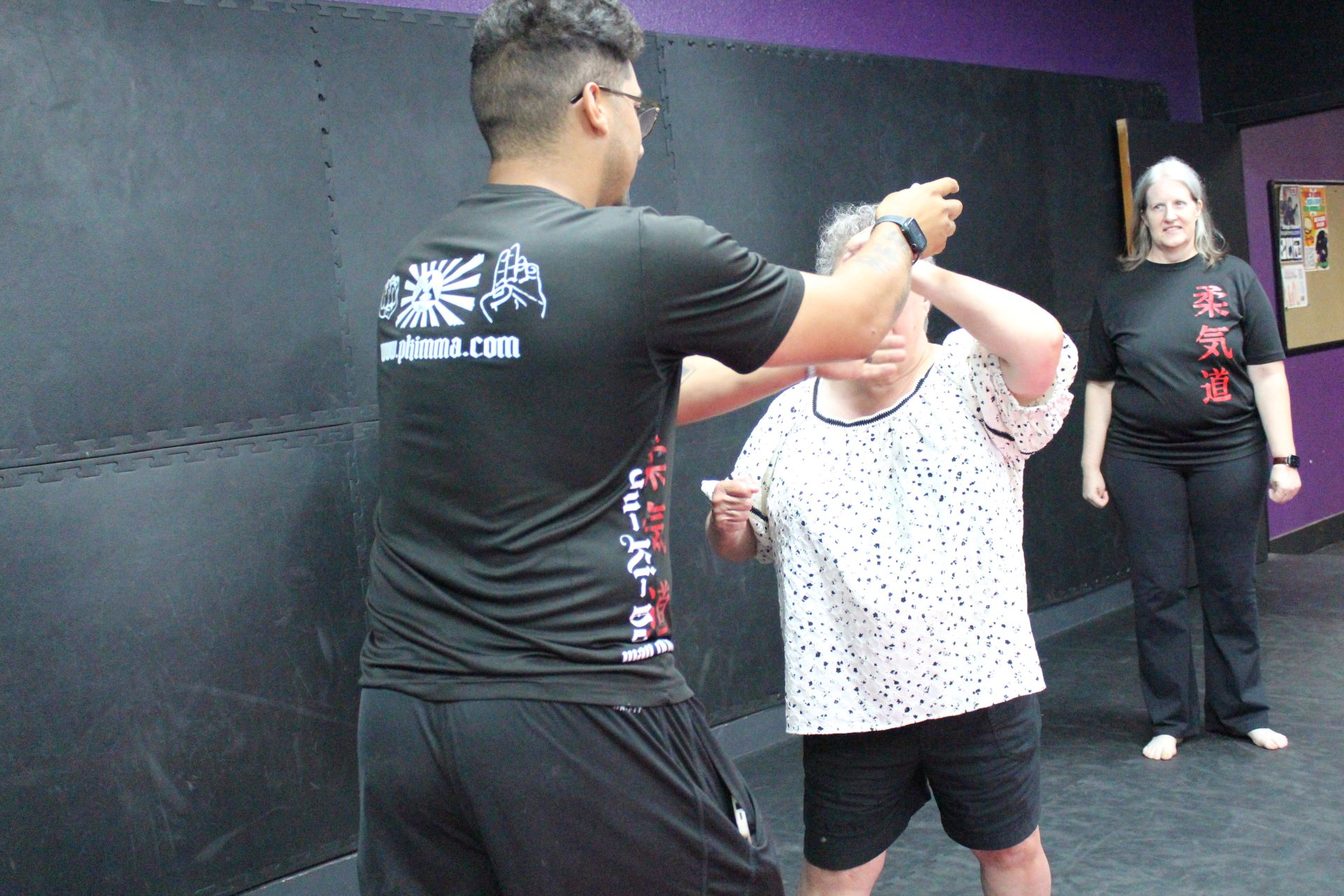
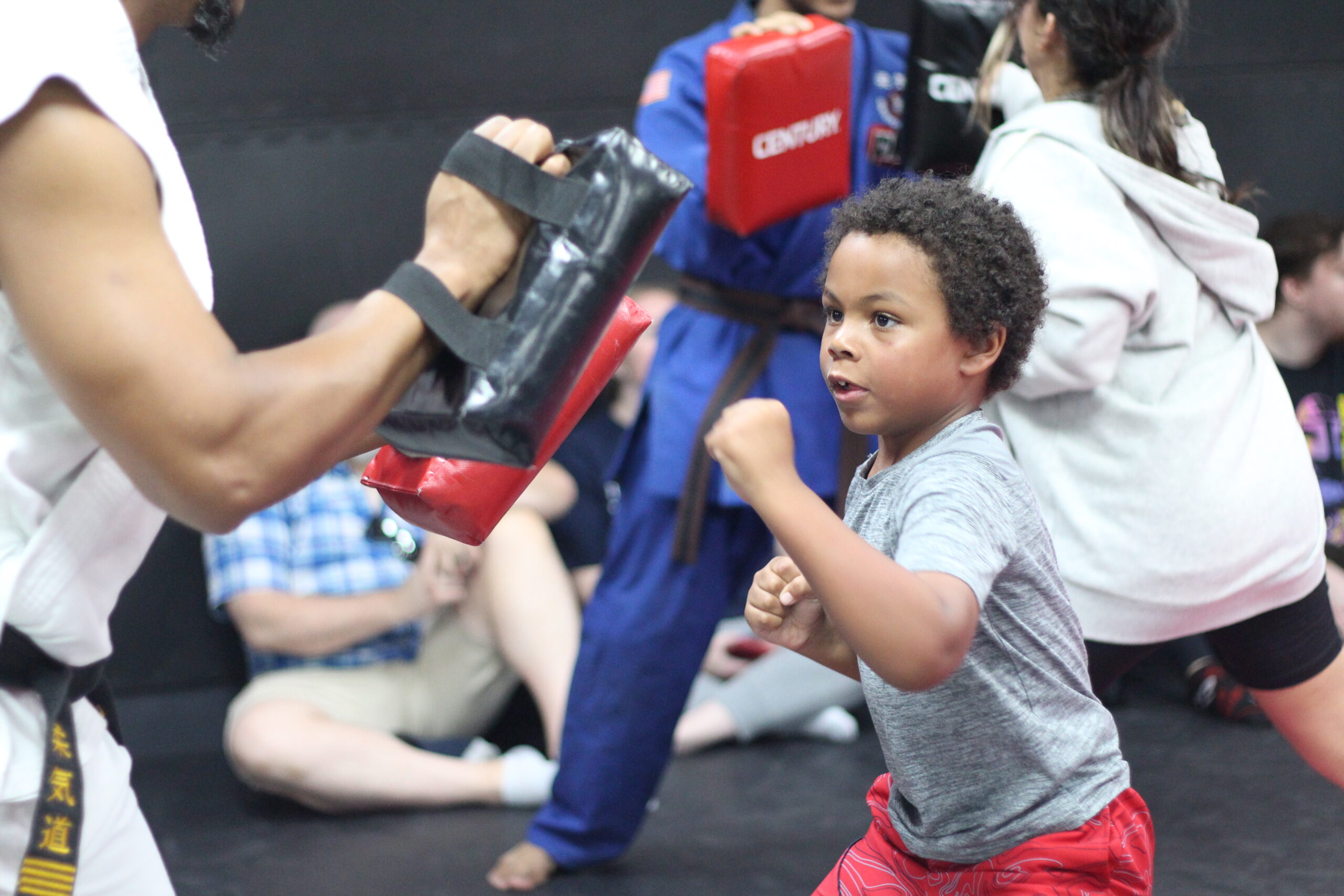
Children often respond better to feedback when they know exactly what to do next. In Ju Ki Do class, a correction can be simple and specific. Instead of hearing only that something was wrong, students can see the movement again, learn why the detail matters, and practice the adjustment safely.
A child may receive guidance on a stance, balance, focus, hand position, or the timing of a technique. Each correction becomes a small goal for the next repetition. That makes feedback feel useful rather than personal.
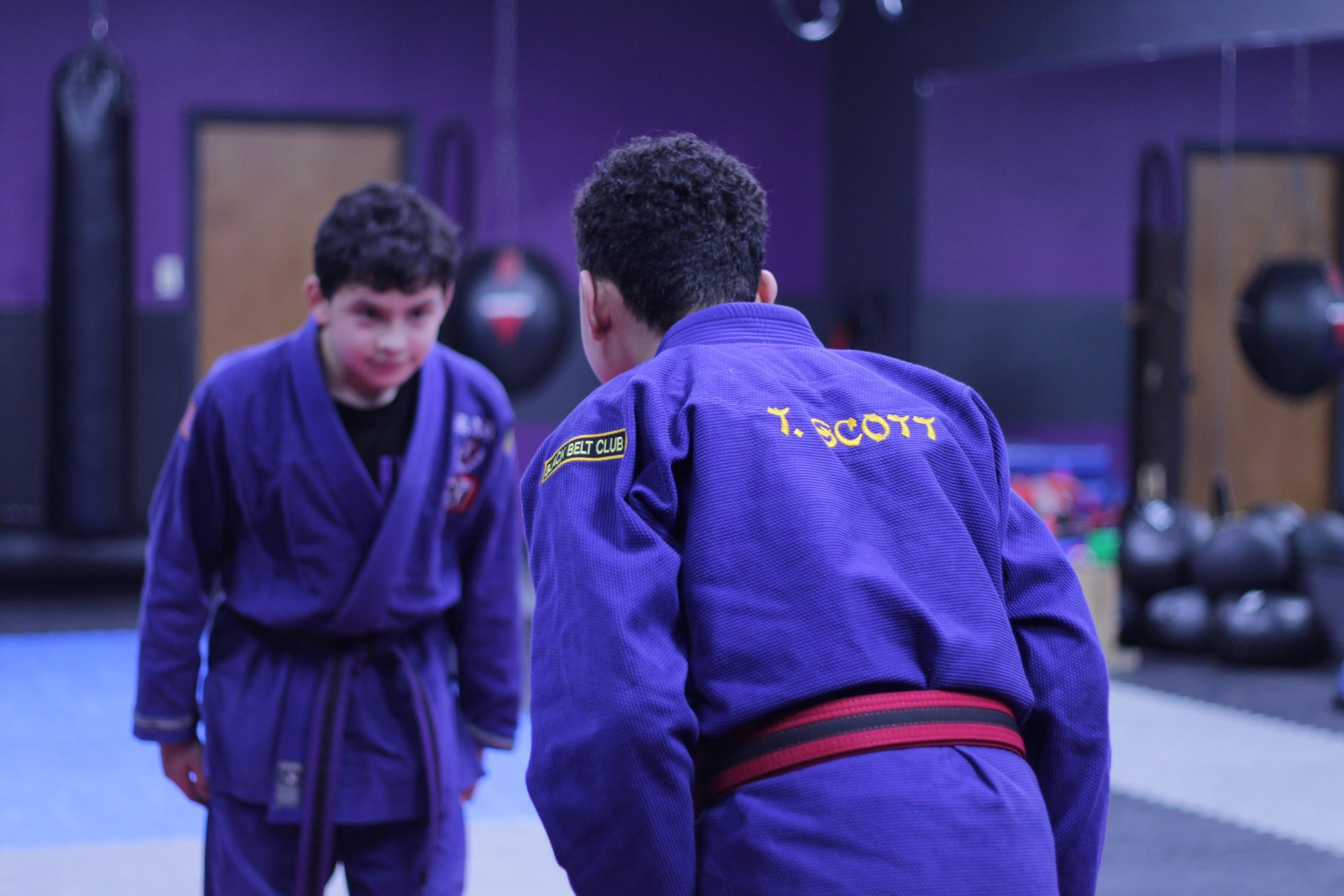
During instruction, we model respectful communication. Students practice making eye contact, listening without interrupting, and applying the direction they receive. When they are unsure, they can learn to ask a thoughtful question instead of shutting down or guessing.
Over time, repetition changes a child’s point of view. Practice, feedback, adjustment, and another attempt become a normal part of class. This process supports character development by teaching:
- Humility when there is more to learn
- Perseverance when a skill feels difficult
- Respect for instructors and fellow students
- Self discipline when it is time to focus and try again
Those habits can carry into schoolwork, sports, family responsibilities, and friendships.
Karate Classes in Boerne Build Better Listening Skills
Listening is more than hearing words. Children also need to pause, process details, and respond in an appropriate way. In karate classes in Boerne, students have a structured place to practice those skills without the pressure of grades or the worry of making a mistake in front of classmates.
Before a drill begins, students may need to listen for where to stand, which technique to perform, when to move, and how to stay safe around a training partner. Missing one detail can make the drill harder, so children learn that paying attention at the beginning helps them succeed as they go.
Class structure also encourages students to wait for direction instead of rushing ahead. That pause can build patience, focus, and impulse control. A child who wants to move quickly may learn that slowing down long enough to listen often leads to better results.
As school, homework, and extracurricular schedules get busier in the fall, these skills can make daily responsibilities feel more manageable. Children who listen closely can follow instructions with less confusion and recover more calmly when an adult asks them to make a change.
Practice Helps Kids Recover From Mistakes
Mistakes happen in martial arts training all the time. A student may forget part of a sequence, lose balance during a stance, or perform a technique imperfectly. We treat those moments as part of practice, not as a reason to quit.
Even experienced martial artists keep working on fundamentals. That example helps children understand that growth does not end when they learn a new skill. It continues through attention, effort, and coaching.
After receiving a correction, students can practice taking a breath, focusing on the direction, and trying again. This gives them a healthier response than becoming upset, arguing, or giving up. With steady practice, they begin to see that a mistake is a moment, not a label.
Regular training also gives children a healthy outlet for energy while they build fitness. More importantly, they see how effort, focus, and persistence work together. Confidence grows when a child recognizes, “I did not get it right the first time, but I kept working and got better.”
Confident Communication Starts with Respect
Responding well to feedback also involves communication. Children benefit when they can acknowledge an instruction, ask for clarification, and explain that they need help without feeling ashamed. Martial arts gives them regular chances to practice these responses in a respectful setting.
A positive response can be simple:
- Listen until the instructor finishes speaking
- Acknowledge the correction respectfully
- Try the adjustment with a focused attitude
- Ask a clear question when more explanation is needed
- Keep practicing instead of becoming discouraged
Partner drills and group activities add another layer of learning. Students practice taking turns, maintaining personal space, speaking clearly, and showing consideration for others. These are physical classes, but they also provide real practice in self-control and responsibility.
For families considering karate classes in Boerne, it can be helpful to look beyond kicks and forms. Children also need places where they can build confidence in classrooms, on sports teams, during family conversations, and in future leadership roles. Feedback does not define them. It gives them information they can use.
Help Your Child Turn Feedback Into Growth
Our Ju Ki Do program teaches more than martial arts movements. Through instruction, repetition, encouragement, accountability, fitness, self discipline, character development, and practical self-defense skills, students learn that correction can be a path forward.
When children learn to listen, reset after a mistake, and make one small adjustment at a time, feedback becomes less scary. Those habits can help them approach school, responsibilities, relationships, and new challenges with greater confidence and a stronger willingness to keep trying.
Build Confidence Through Meaningful Practice
At Professional Karate Institute Mixed Martial Arts (PKIMMA), we help children strengthen self-discipline, character development, and fitness through Ju Ki Do, a karate style inspired by a variety of traditional systems. Our karate classes in Boerne give kids practical opportunities to learn, adjust, and grow with supportive instruction. Ready to help your child develop skills that extend beyond the mat? Contact us to get started.