
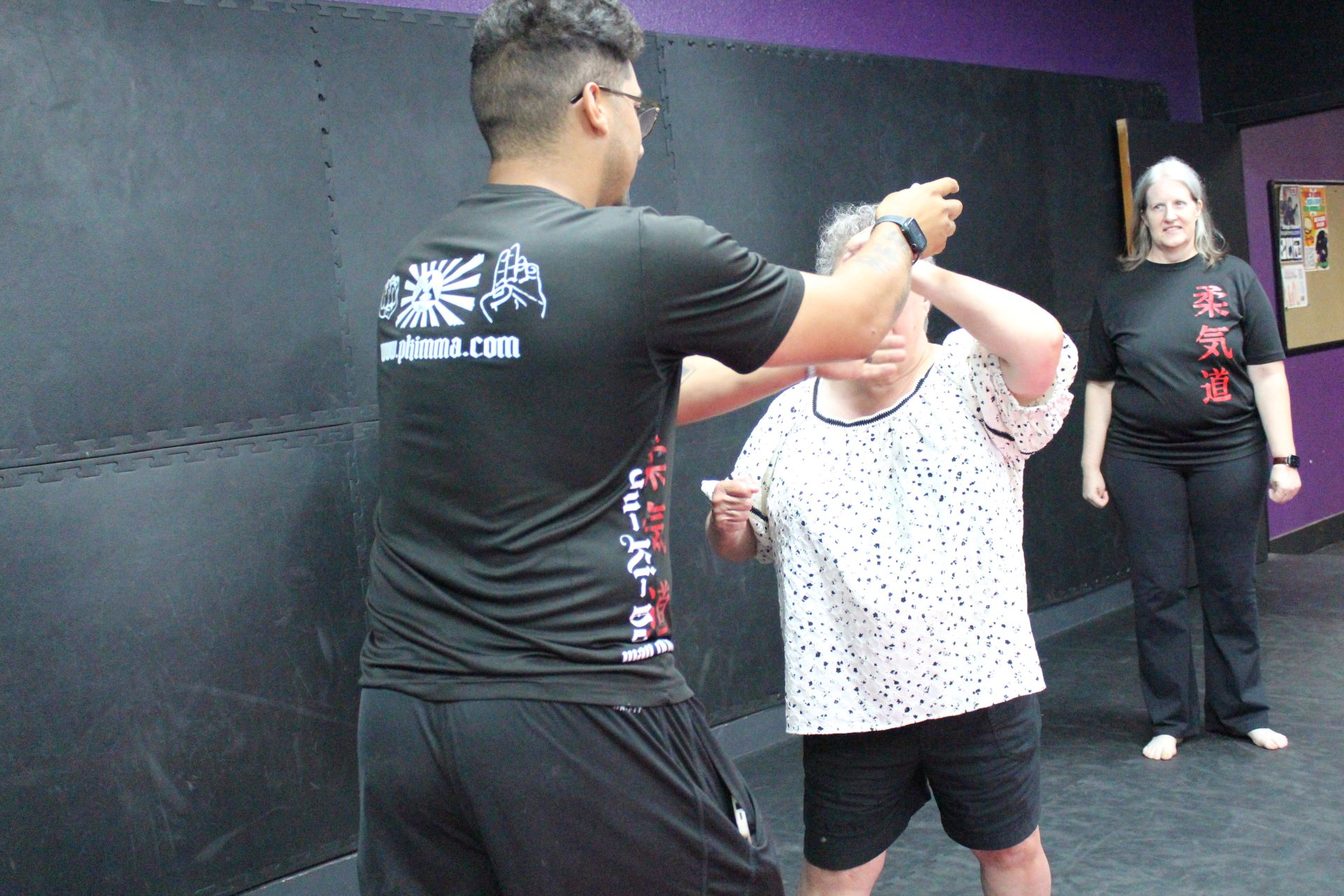
Self-defense begins long before a physical response is ever needed. At PKIMMA, we see situational awareness as a practical daily skill that can give you more time to make calm, smart choices. It means staying present enough to notice what is happening around you and moving toward safety when something does not feel right.
Fall in Boerne often brings full calendars, from school activities and football games to Halloween events, evening errands, and holiday shopping. Busy places can be fun, but they can also pull your attention in many directions. Awareness is not about living in fear. It is about being prepared, confident, and calm wherever your day takes you.
Awareness Creates Time for Safer Choices
Situational awareness means paying attention to people, places, movement, and changes in your surroundings. Instead of walking through a parking lot while focused only on a phone or rushing into a store without looking around, you take a moment to notice the setting.
The goal is not to assume danger is everywhere. Most of the time, daily life is exactly what it seems. Still, it helps to recognize what feels normal in a location so you can notice when something feels different. That small pause can give you options before a concern becomes more serious.
For people researching self-defense classes in Boerne, this is an important starting point. Physical skills matter, but avoiding a problem is often the best outcome. When you notice an uncomfortable situation early, you may have time to move toward other people, ask a staff member for help, leave the area, call a trusted person, or contact emergency services when needed.
At our school, we connect awareness with fitness, self discipline, and character development. Staying alert takes focus. Making a responsible choice takes confidence. These are useful life skills for children, teens, and adults alike.
Build Smart Observation Into Everyday Routines
Awareness does not have to interrupt your day or make ordinary outings stressful. It can become a quiet habit, much like checking for your keys before leaving home. When you arrive somewhere, take in a few basic details before getting caught up in the activity.
A quick mental check can include:
- Where the entrances and exits are
- Whether the area is well lit
- Where staff members, security, or trusted adults may be
- How people are moving through the space
- Where you parked or where your ride will pick you up
Distractions can make it harder to notice these details. Phones are useful tools, but it is wise to limit screen time while walking through parking areas, entering buildings, or waiting for a ride. Keeping your head up, listening to the activity around you, and leaving yourself room to move can help you make more informed decisions.
These habits are not guarantees of safety, and they do not place responsibility for harmful behavior on the person who experiences it. They are simply practical actions that can help you stay connected to your surroundings and choices.
Family conversations can also make awareness feel normal rather than frightening. Parents can help younger children identify trusted adults and remember where to meet if the family becomes separated. Teens can practice checking in when plans change and paying attention when arriving at or leaving social events. Through these conversations, we can teach responsibility, self discipline, and respect for personal boundaries.
Practice Awareness During Fall Activities
October can bring crowded school events, community gatherings, seasonal festivals, Halloween activities, and early evening shopping trips around Boerne. In fast-moving settings, it is easy to focus only on the schedule. Taking one extra moment to notice where you are and what is around you can make a meaningful difference.
Before heading into an event, consider a few simple questions: Where did I park? Who am I with? Where could I go if I needed help? Knowing the answers does not take long, and it can help you stay composed if plans change.
Our Ju Ki Do training supports this kind of steady thinking. We teach students to use confident body language, remain calm under pressure, and think before reacting. Those habits can apply at school, work, home, and public places, not only in a martial arts setting.
It is also helpful to understand the difference between ordinary discomfort and a situation that calls for action. A crowded store or unfamiliar event may feel awkward without being unsafe. On the other hand, if someone ignores your boundaries, follows you, threatens you, or creates an immediate concern, it is okay to leave, get help from staff or a trusted adult, call a family member, or contact emergency services. Trusting your boundaries is part of personal safety and self discipline.
Develop Calm Readiness Through Ju Ki Do
PKIMMA is not a typical karate program. We teach Ju Ki Do, a karate style inspired by a variety of traditional systems. Our approach combines practical self-defense skills with the mindset needed to make responsible choices before, during, and after challenging moments.
Situational awareness is a foundation for physical training, not a separate idea. When students practice Ju Ki Do, they can build focus, coordination, balance, confidence, and fitness while learning to stay attentive. Self-defense is not only a collection of moves. It also includes recognizing options, managing emotions, and responding with sound judgment.
Long-term practice can also support character development. Patience, respect, perseverance, and accountability shape how students carry themselves with family, classmates, coworkers, and neighbors. As a family-owned martial arts school, we value creating a welcoming environment where students of different ages and experience levels can grow through consistent effort.
Put Awareness Into Practice This Fall
Awareness can begin with small choices during normal fall routines. Notice your surroundings at school drop-offs, during evening walks, while loading groceries, and when attending community events. Put the phone away for a moment, look up, and give yourself time to decide what feels right.
Preparation starts with attention, self discipline, and thoughtful choices. By practicing calm awareness every day, you can build confidence that supports safer decisions in many parts of life.
Build Skills That Support Everyday Confidence
At Professional Karate Institute Mixed Martial Arts (PKIMMA), we help students strengthen fitness, self discipline, and character development through Ju Ki Do, a karate style inspired by a variety of traditional systems. Our self-defense classes in Boerne provide practical instruction in a supportive setting for students of different experience levels. Ready to take the next step? Contact us to learn about class options.